Posture Correction in Burlington
Posture is not about standing up straight on command. It is how your body holds itself all day without being asked, and that can play a real part in how you feel.
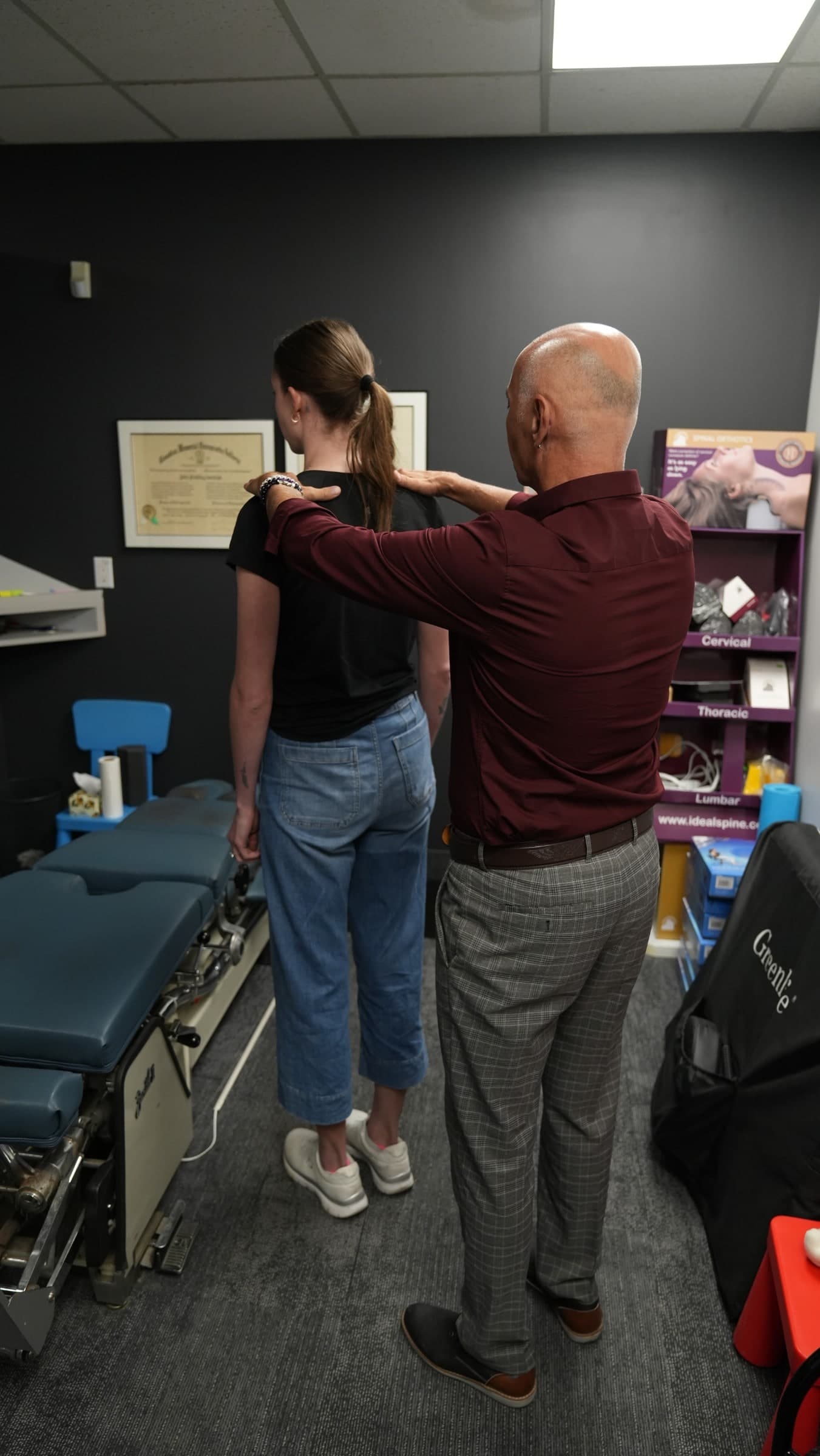
Look at Your Posture... Others Do!
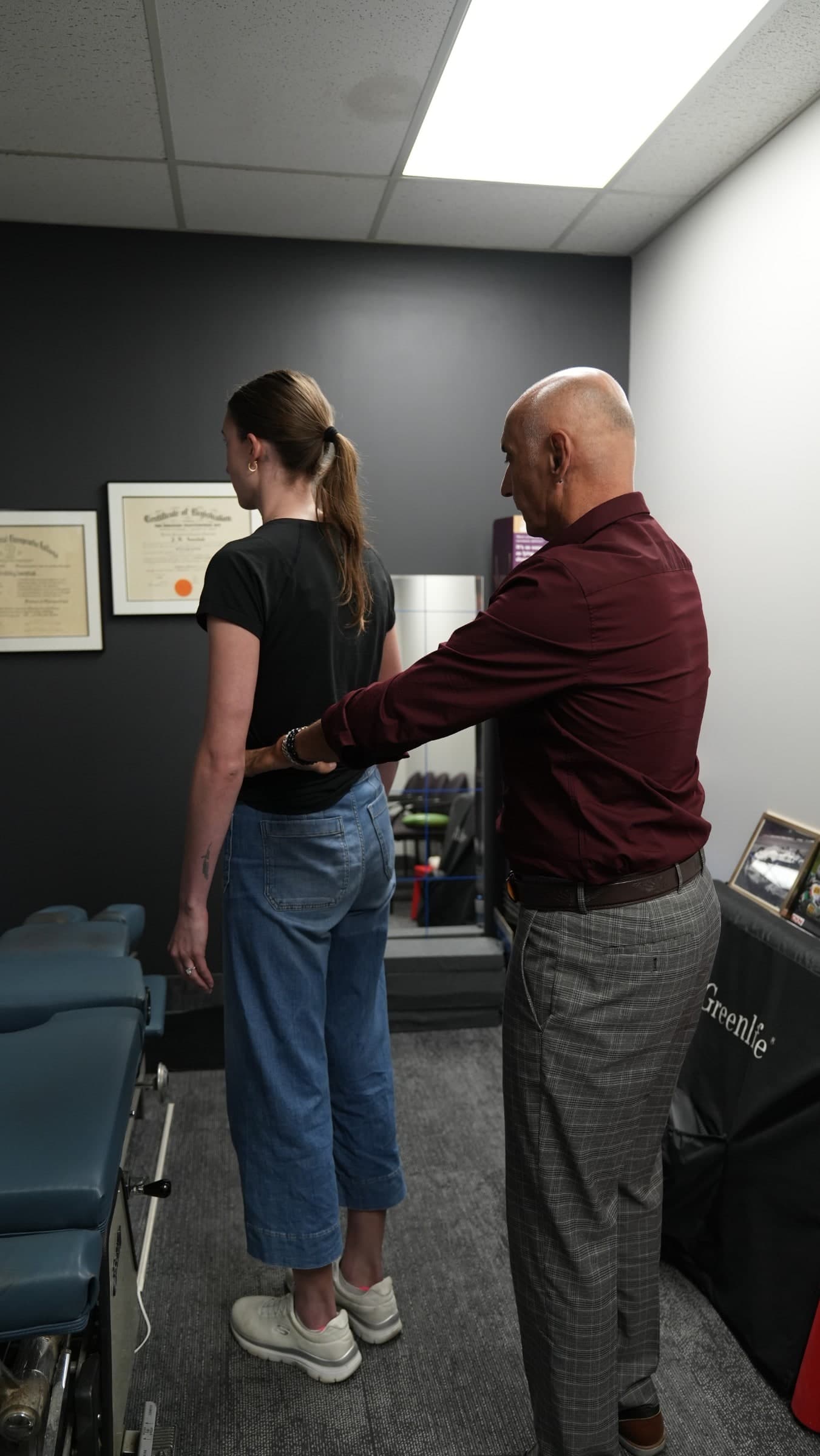
What Is Postural Distortion?
Your spine has natural curves that spread load through the body. When those curves shift, the head drifts forward of the shoulders, the upper back rounds, or the pelvis tilts, and the muscles and joints around them work harder to hold you upright.
That extra work is often gradual and quiet. People rarely notice posture changing. They notice the stiffness at the end of the day, the ache between the shoulder blades, or the headaches that arrive every afternoon.
Posture is one of the first things we look at, because it gives us a picture of how load is being shared across your spine.
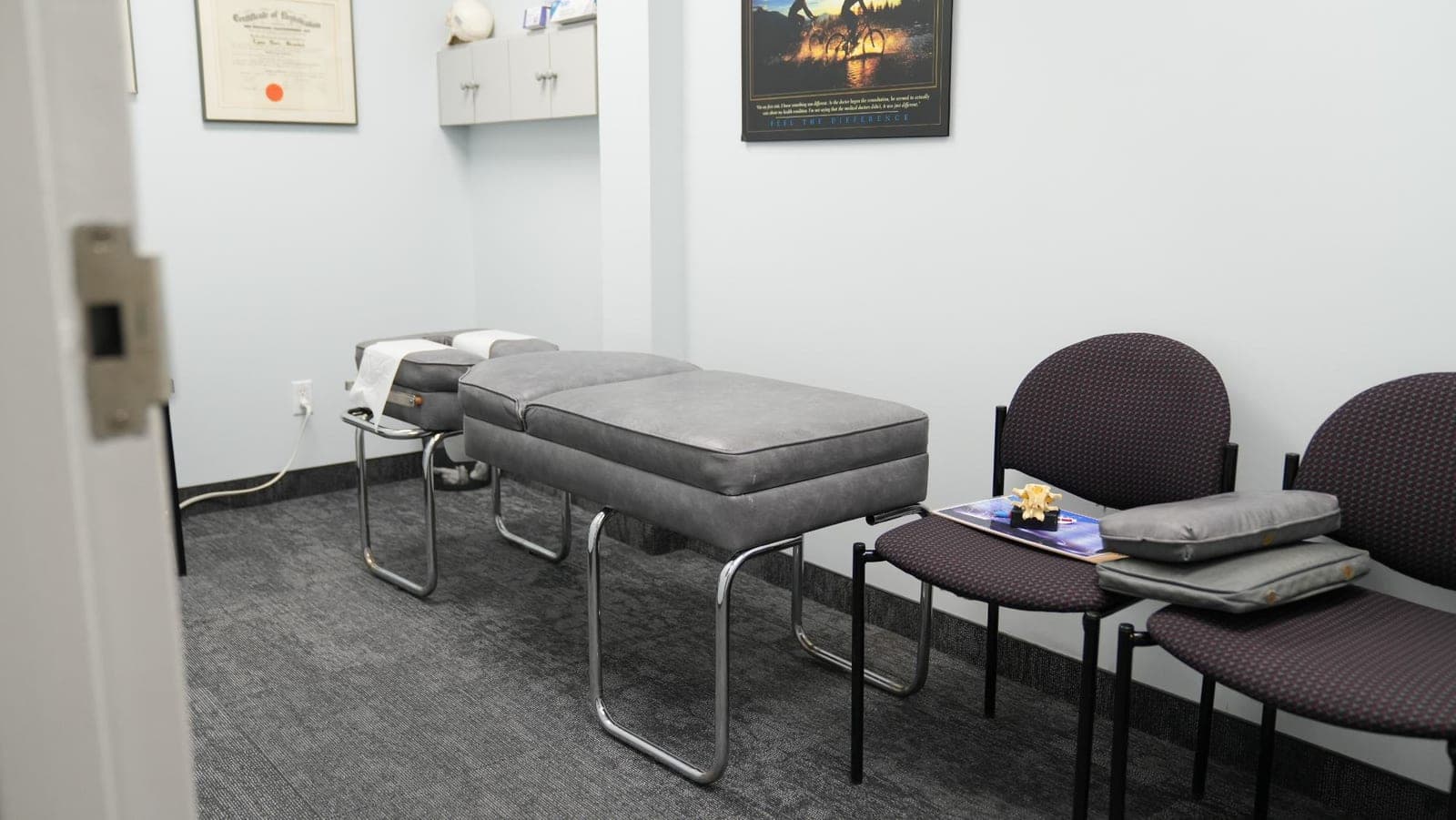
Our Approach to Posture Care in Burlington
We start with a posture scan and a full assessment, then look at how your spine is aligned and how comfortably it moves. Where imaging is appropriate, spinal X-rays let us measure structure rather than estimate it.
From there we build a plan around what the assessment shows: hands-on chiropractic care alongside movement and everyday habits, because what you do between visits matters as much as what happens in the office.
We will be straight with you about what we think we can help with, and tell you plainly if we think you would be better served elsewhere.
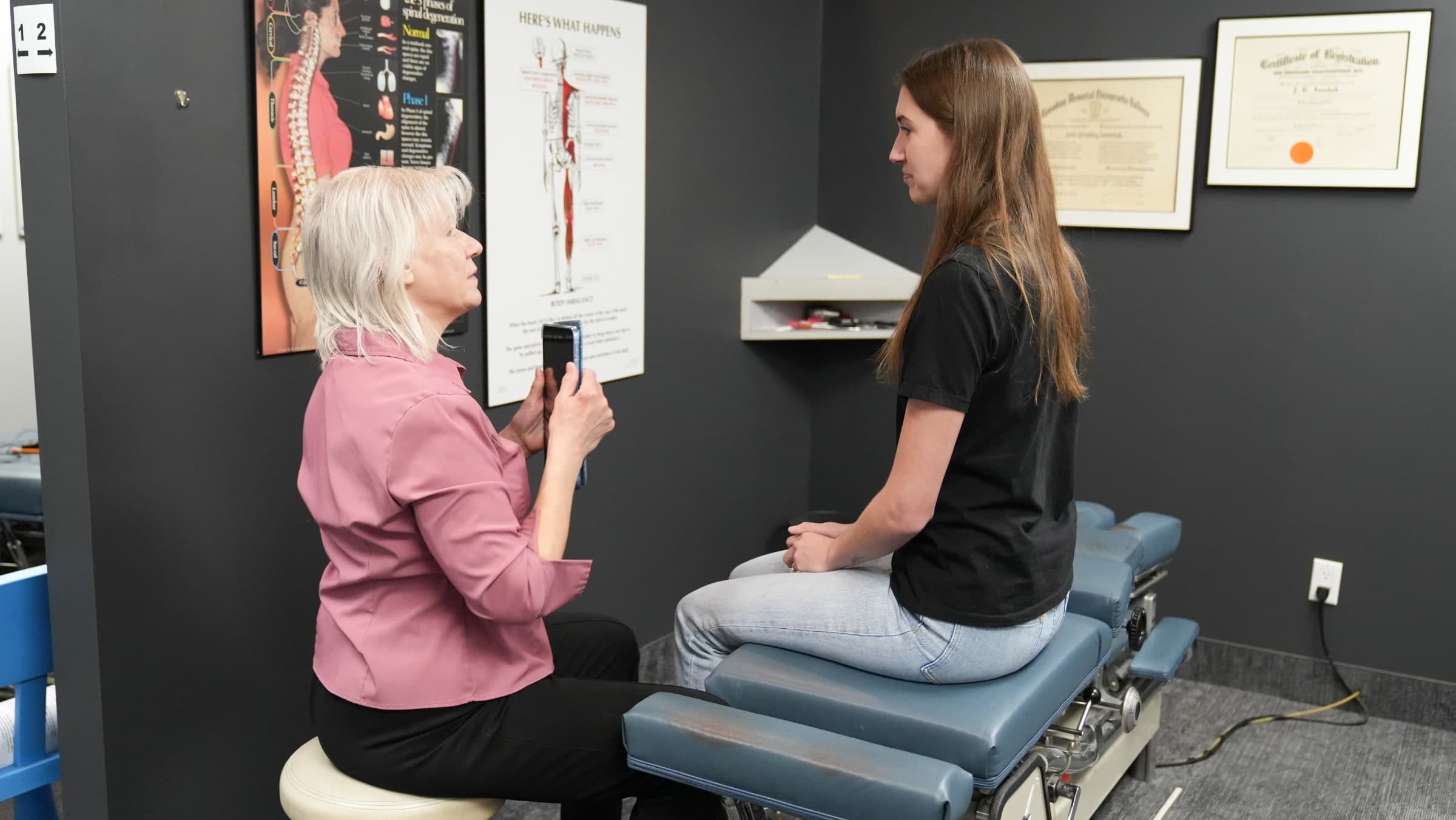
What Affects Your Posture
Posture is shaped by what you do most often. The positions you hold for hours a day tend to become the ones your body settles into.
Factors we see regularly:
- Long hours at a desk or screen, with the head drifting forward of the shoulders
- Looking down at a phone through the day, which loads the neck and upper back
- Driving or commuting for long stretches in a fixed seated position
- Old injuries that changed how you move and were never fully addressed
- Carrying bags, tools, or a child consistently on one side
- Long periods of low activity, where the muscles supporting the spine get less work
- Growth phases in children and teenagers, when changes can establish early
None of these mean something is wrong. They are simply the loads your spine has adapted to, and they are useful to understand before making a plan.
How We Assess Your Posture
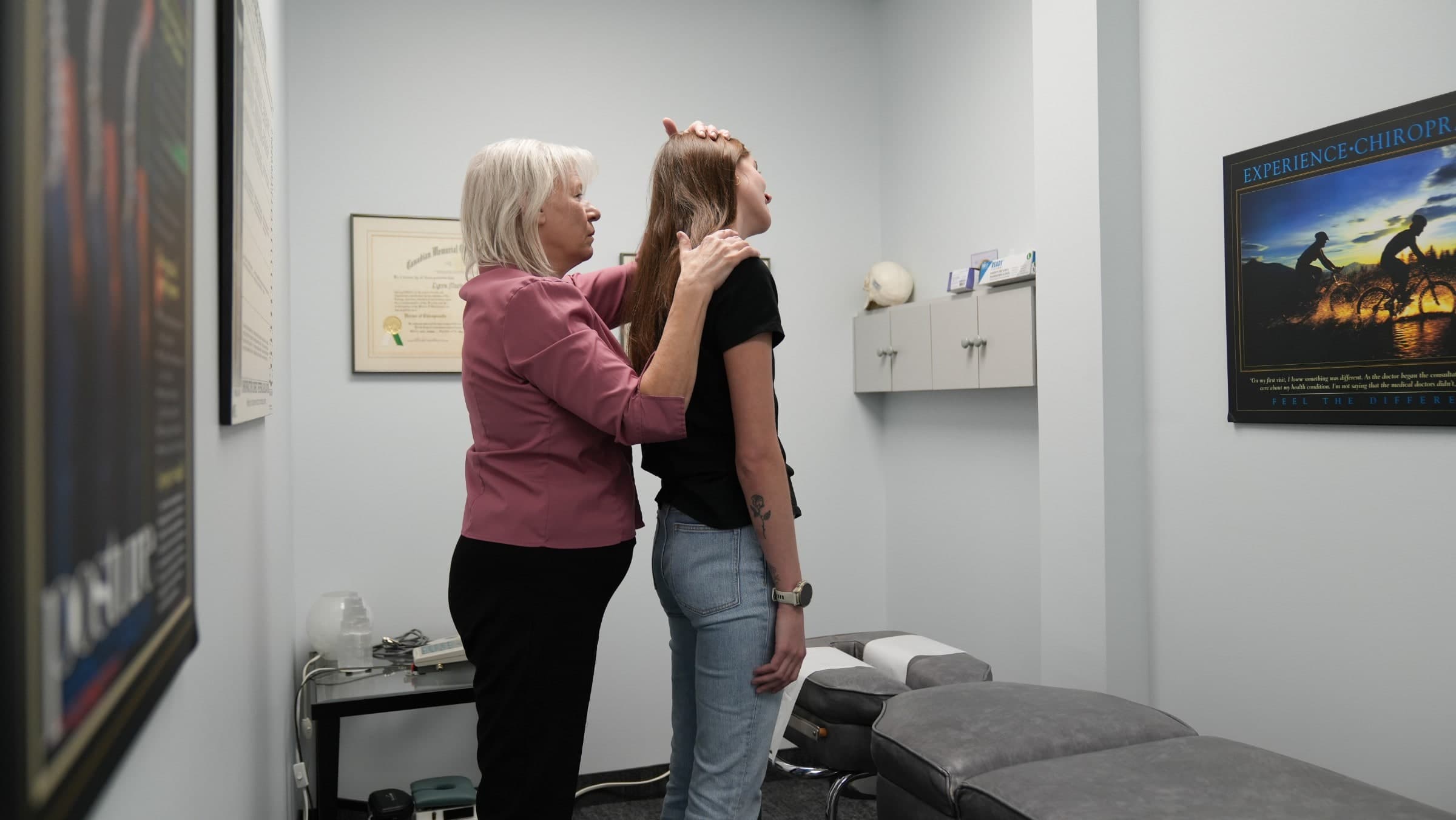
We begin with a posture scan, which gives us a clear starting picture rather than a general impression. Then we talk: what brought you in, what feels stiff or sore, how your day is set up, and how you sleep.
From there we assess the alignment of your spine and check how comfortably you move through the neck, mid-back, and lower back. We feel for areas of tension and note where movement seems limited, and we run the neurological checks that form part of a full chiropractic examination.
Where it is appropriate, we refer you for spinal X-rays so structure can be measured rather than estimated. If anything we find points to a concern outside our scope, we will tell you and help you find the right practitioner.
What Posture Care Involves
Posture develops over years, so meaningful change takes time and consistency. We are honest about that up front rather than promising a quick fix.
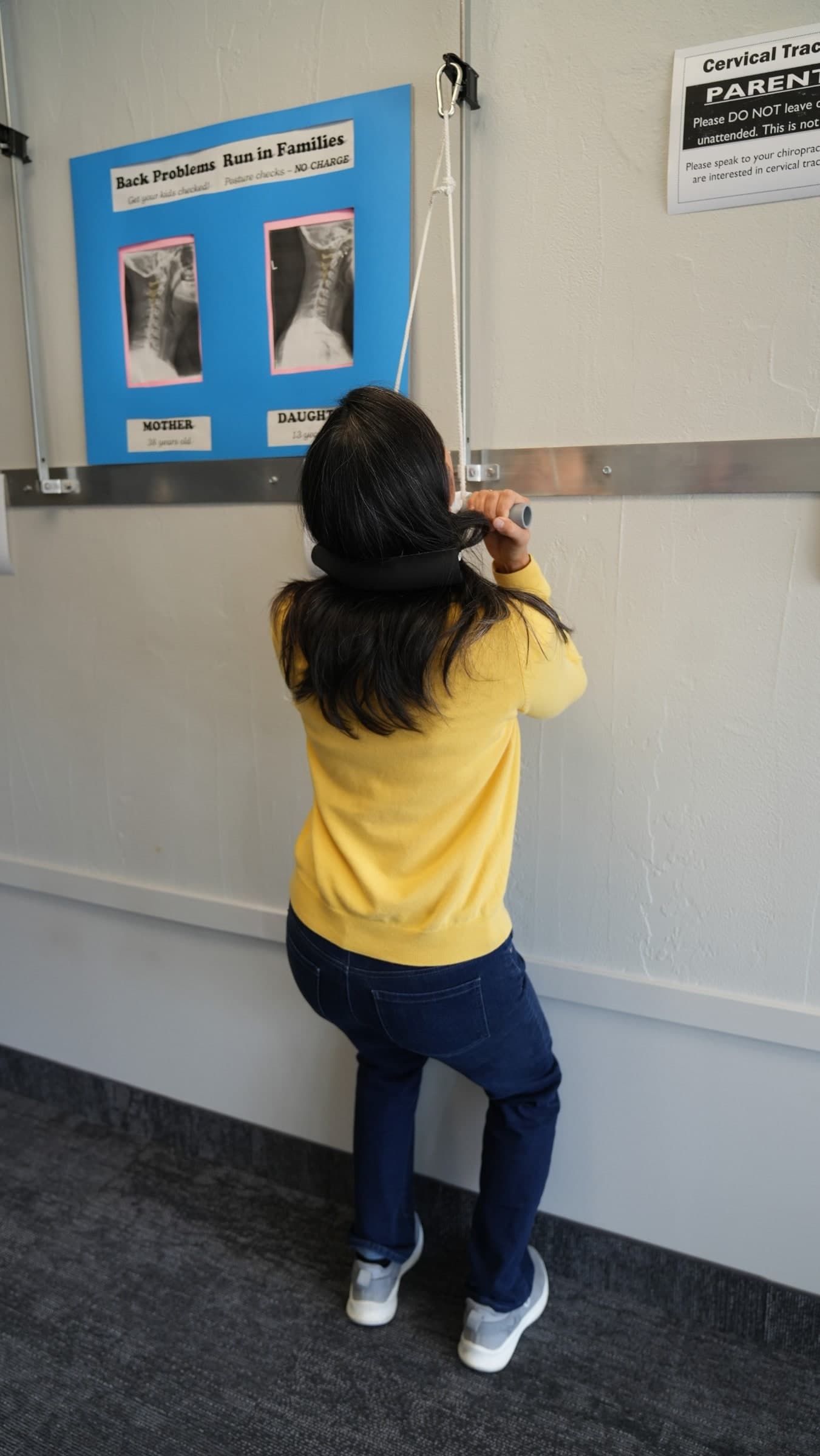
A plan generally combines hands-on chiropractic care with specific movement and exercise, plus practical adjustments to the setups you spend the most time in: your desk, your car, your pillow. We check in as we go and adapt the plan based on how you are responding.
Everyone responds differently, so we avoid promising a set result or timeline. If you are not responding the way we would hope, or if chiropractic care turns out not to be the right fit, we will say so plainly and help you explore other options.
Common Questions About Posture
Is bad posture actually a problem if nothing hurts?
Can posture really be changed, or is it just how I am built?
Do I need X-rays for posture care?
How long does posture care take?
Is posture care suitable for children and teenagers?
What can I do between appointments?
Wondering How Your Posture Is Affecting You? Get in Touch.
A posture scan takes a few minutes and shows you how your body is holding itself.