Care for Jaw Joint (TMJ) Pain in Burlington
The jaw joint is one of the most-used joints in the body. When it hurts, chewing, talking, and yawning can all be uncomfortable.
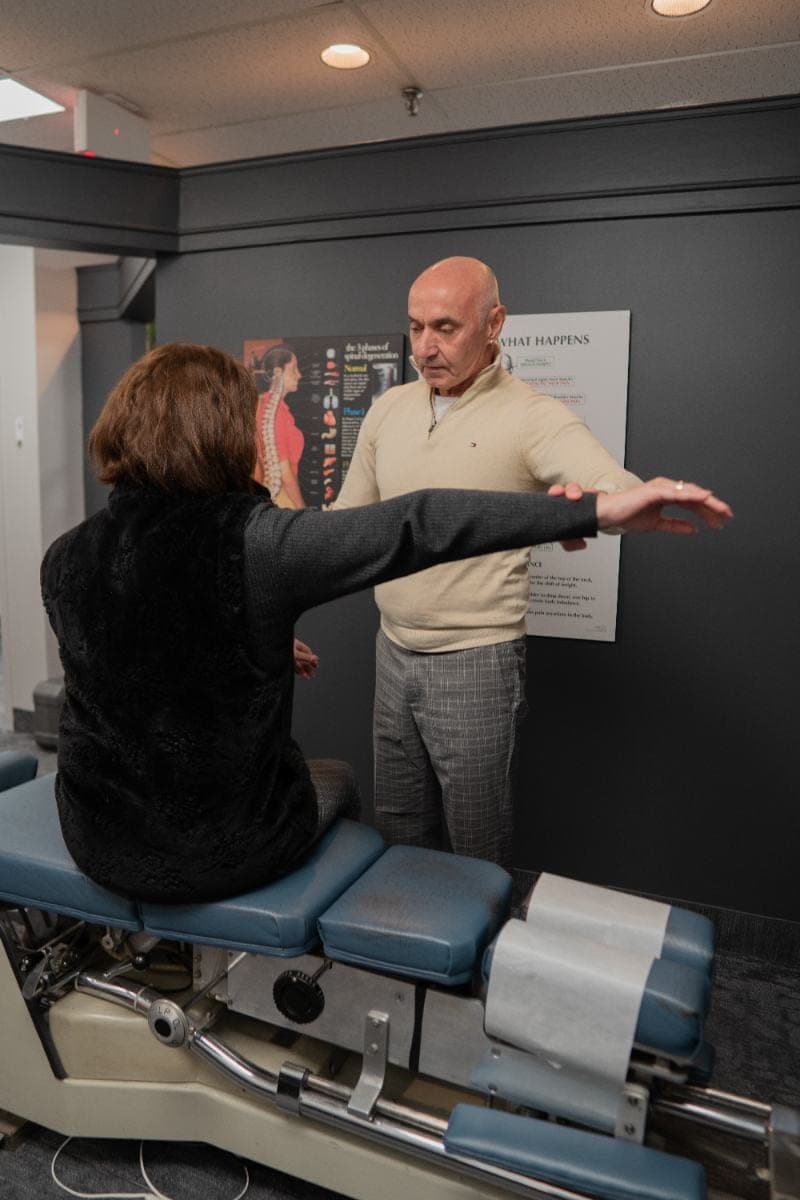
Understanding TMJ and Jaw Pain
The temporomandibular joint, or TMJ, sits just in front of the ear where the upper and lower jaw meet. It is complex and used constantly, for chewing, biting, yawning, and talking, which makes it sensitive and prone to irritation.
When the muscles and joint are balanced and aligned, those movements are usually comfortable. When they are not, pain, clicking, or restricted movement can follow.
Our Approach to TMJ Pain in Burlington
We look at the jaw together with the neck and posture, since they are closely connected, rather than treating the jaw in isolation. After an assessment, we build a plan around what we find.
If we feel your situation needs dental or other care, we will tell you and help point you in the right direction.
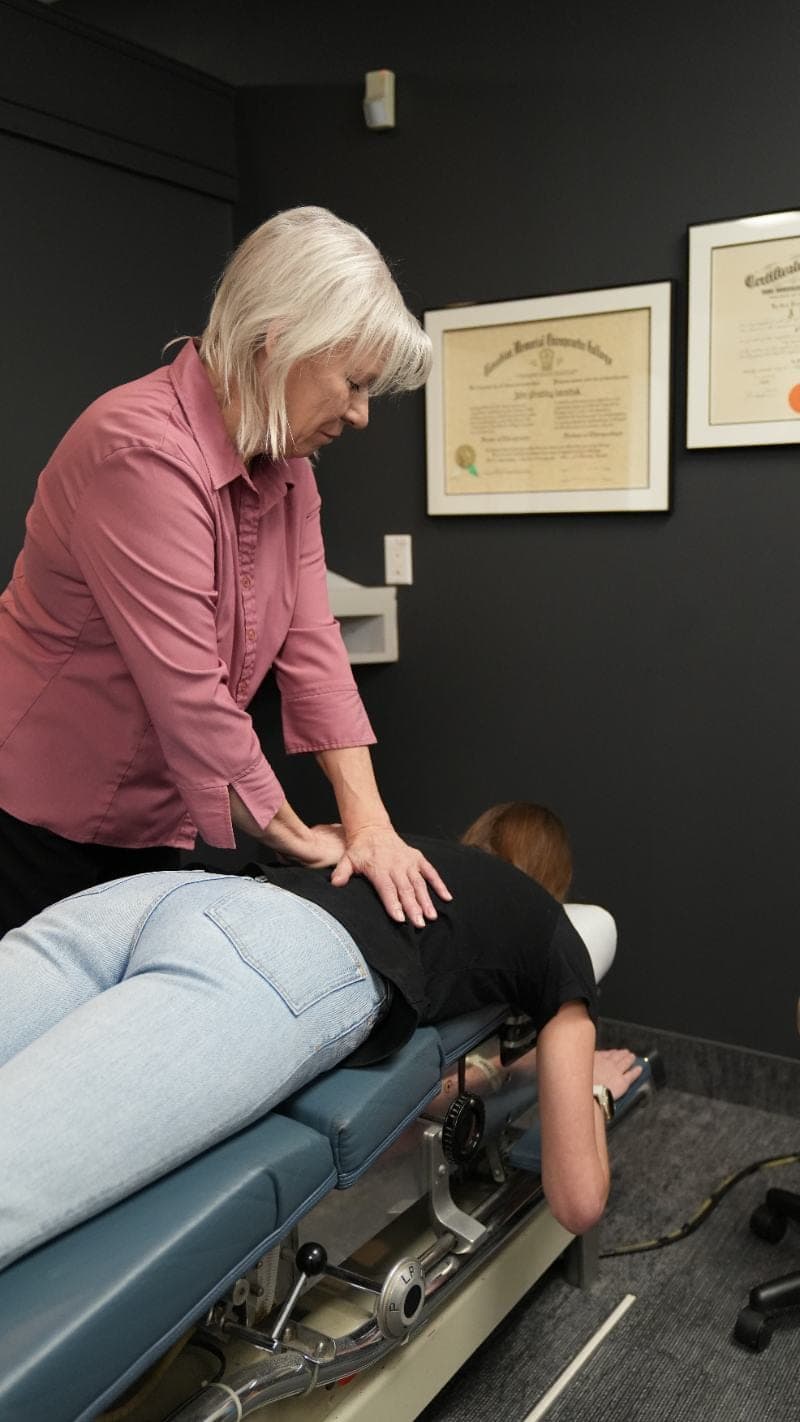
What Causes TMJ Jaw Pain?
TMJ pain rarely comes from one thing. The joint, the muscles around it, and your daily habits all play a part, which is why two people with similar jaw pain can have different reasons behind it.
Some of the more common contributors we see include:
- Clenching or grinding the teeth, often during sleep or stress
- Tight or overworked jaw and neck muscles
- Long stretches of poor posture at a desk or on a phone
- A past knock or strain to the jaw, head, or neck
- Habits like chewing gum, biting nails, or resting on a hand
- Stress and tension, which many people carry through the jaw
Because the jaw works closely with the neck and upper back, tension in one area can add to discomfort in another. Sorting out what is contributing in your case is part of the assessment, and it helps shape a plan that fits you.
How We Assess Your Jaw
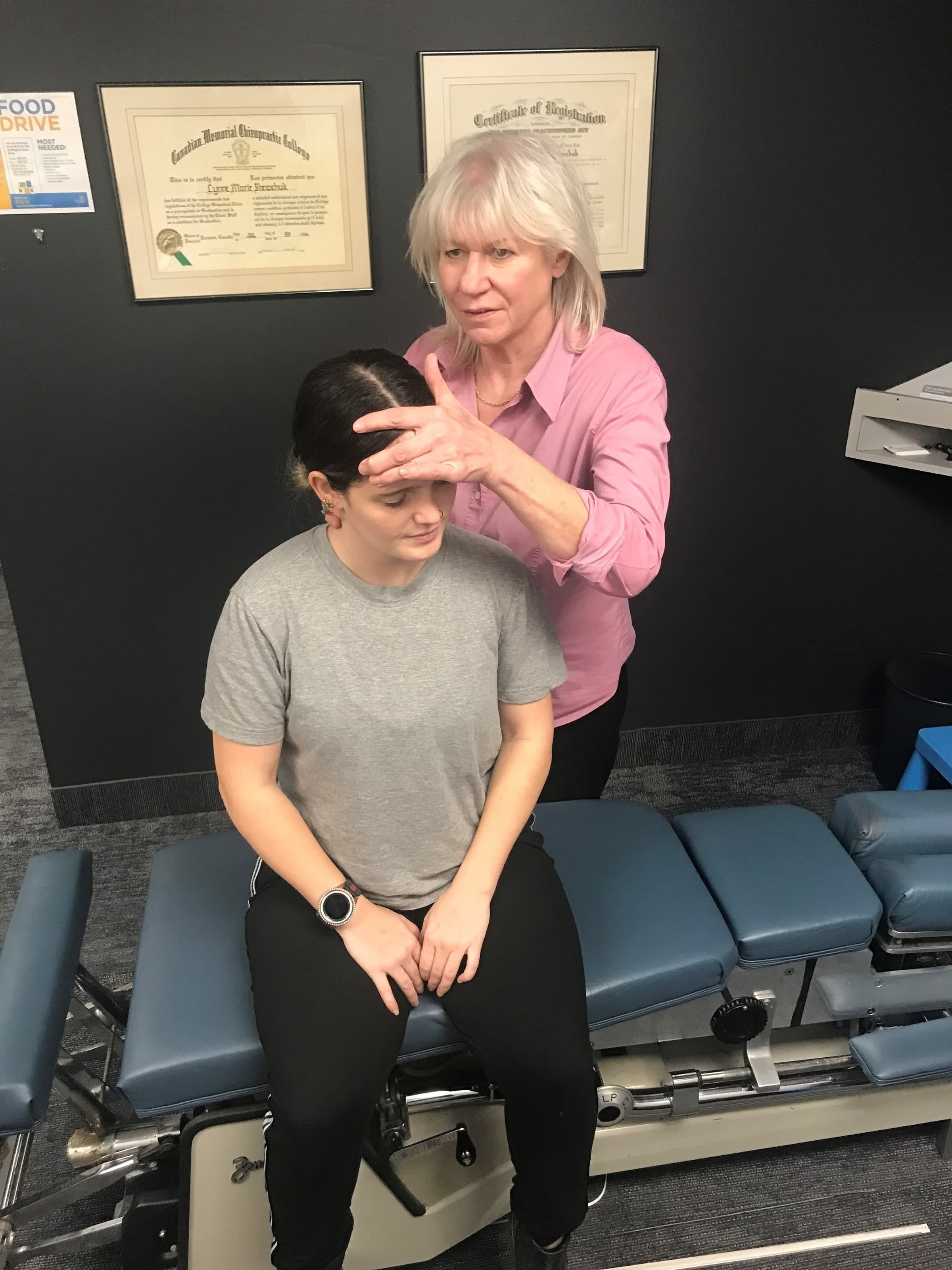
We start by listening. We ask about your pain, when it shows up, what makes it worse or easier, and how it affects eating, sleeping, and talking. Your history often points us toward what is going on before we lay a hand on you.
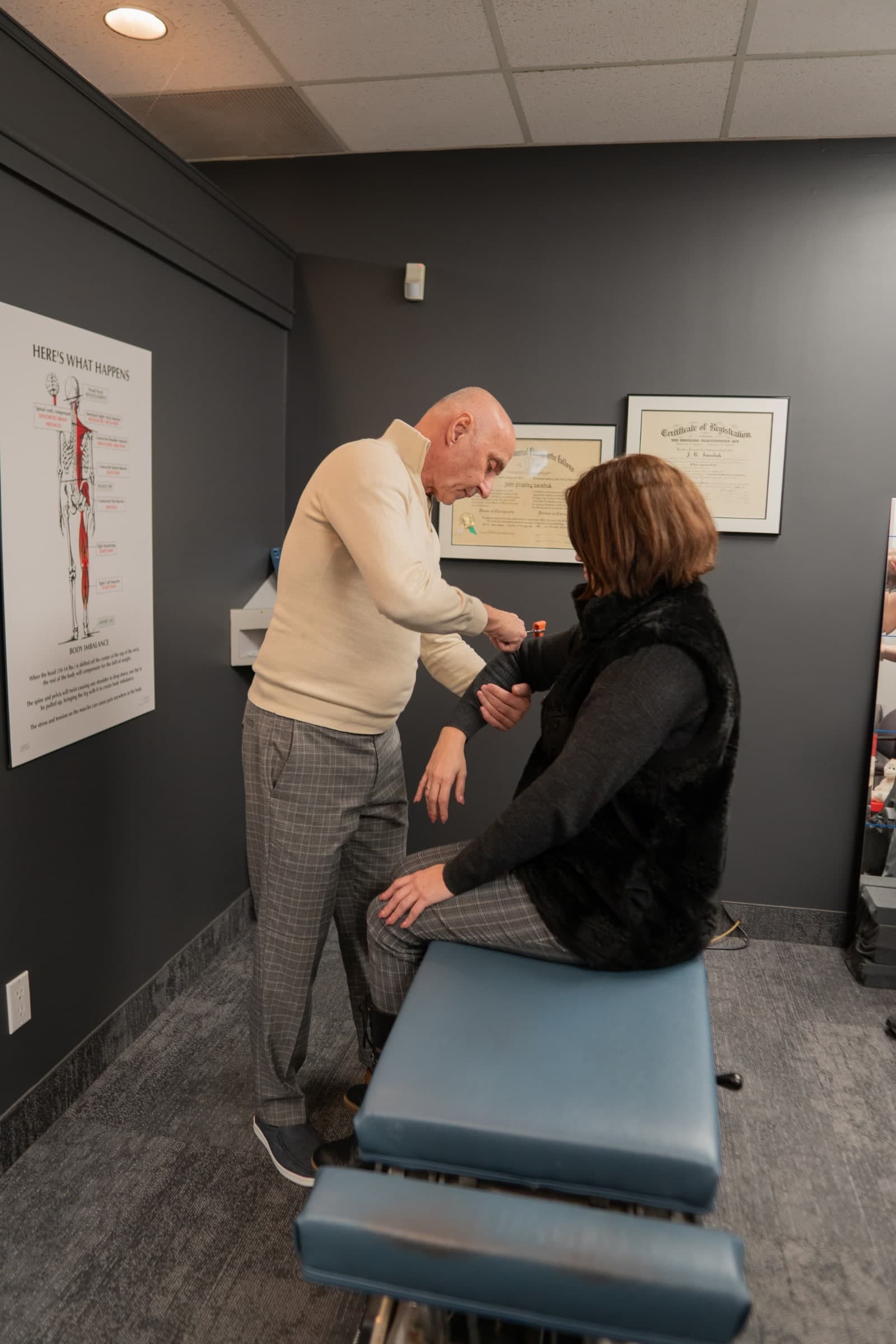
From there we look at how your jaw moves and feels. We check how far it opens, whether it tracks evenly, where it feels tender, and how the surrounding muscles respond. Because the jaw, neck, and posture work together, we look at those areas too rather than the jaw on its own. We explain what we find in plain terms so you understand your situation. If we feel your pain points to something outside our scope, such as a dental or other issue, we will say so and help you find the right care.
What TMJ Treatment Looks Like
Every jaw is different, so we build a plan around what the assessment shows rather than a set routine. Some people notice a change in comfort or movement sooner than others, and your experience may differ from someone else's. We talk through what we are aiming for and roughly how often we expect to see you.
As we go, we reassess. If your jaw is responding, we keep building on it. If it is not changing the way we would expect, we adjust the plan or talk about other options, which can include referring you on. Our goal is to help you feel and move more comfortably, and to be honest with you if chiropractic care is not the right fit for what you are dealing with.
Common Questions About TMJ Pain
Should I see a dentist for jaw pain?
Why does my jaw click?
Can a chiropractor help with TMJ jaw pain?
Should I worry about clicking or popping in my jaw?
What can I do at home for jaw pain?
How long does TMJ jaw pain take to settle?
Wondering If We Can Help with TMJ or Jaw Pain? Get in Touch.
Jaw pain often travels with neck tension, so we look at both.