
Osteoarthritis is the most common form of arthritis, and while it usually shows up in the hips and knees, it can affect your shoulders too. If your shoulder aches, feels stiff, or clicks and pops when you move it, it helps to understand what's happening inside the joint and how the posture of your neck and upper back plays a part.
What Osteoarthritis Does to a Joint
Inside a healthy joint, the ends of the bones are covered with a smooth, shiny layer of cartilage. With osteoarthritis, that surface gradually wears away. As it thins, the joint gets stiffer and more painful, and in advanced cases bone ends up rubbing on bone. The joints that carry the most load, your hips and knees, are the usual places for it, but the shoulder isn't immune.
Why Movement Matters for Your Shoulder Cartilage
Cartilage doesn't get its own direct blood supply. It relies on a process called diffusion: as the joint moves and the cartilage is compressed and released, nutrients are drawn into the tissue.
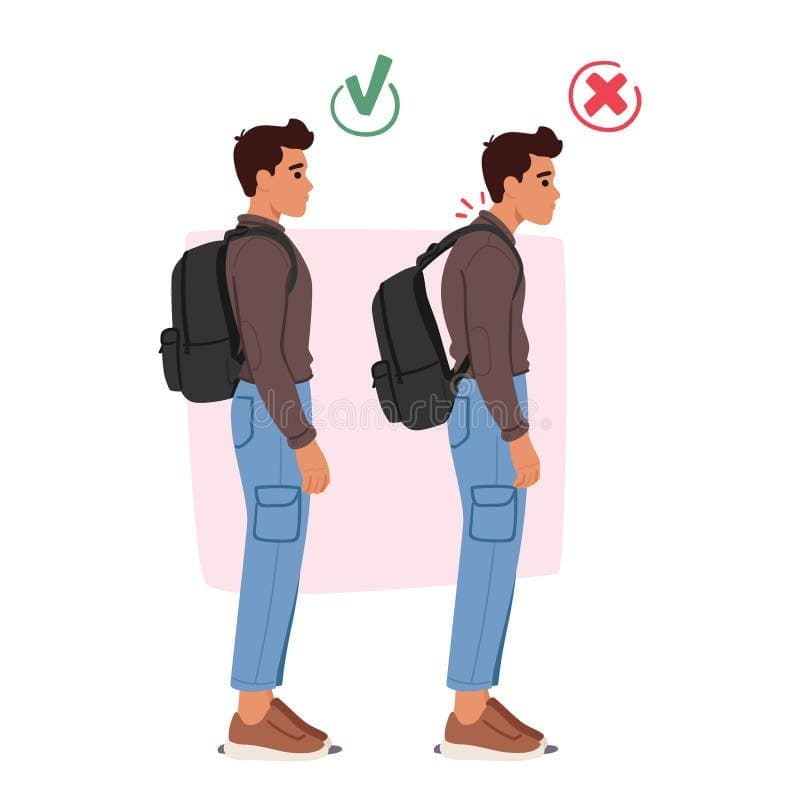
That means anything that restricts how far your shoulder moves can cut down the nutrient supply to the cartilage. A misaligned shoulder joint, inflammation or an old injury can all limit movement. So can posture problems such as forward head posture and a rounded upper back, which change how the shoulder sits and moves. Over time, a joint that doesn't move well is at greater risk of becoming arthritic.
Your Shoulder Is More Than One Joint
What we call the shoulder is 4 joints working together: a joint at each end of your collarbone, the ball and socket joint itself, and a gliding joint at the back where your shoulder blade moves over your rib cage. The ball and socket design gives the shoulder a huge range of movement, but it also makes it less stable and more prone to injury.
Pain around the shoulder doesn't always come from these joints. Your neck, upper back and rib cage can all send pain into the shoulder area. A common spot people point to is the top of the shoulder, between the neck and the ball and socket joint. Once the shoulder joints themselves are ruled out, a pinched nerve or misalignment in the neck or upper back is often worth a closer look. Overhead sports like swimming, throwing a ball or shooting a basketball can add to the strain, especially when posture is already rounded forward.
Signs to Check in Yourself and Your Kids
Shoulder problems don't always hurt at first. Stand in front of a mirror, or have someone look at you from the side and from behind, and watch for:
- shoulders that round forward
- a hump in the upper back
- the head sitting forward of the shoulders
- one shoulder higher than the other
- shoulder blades that stick out instead of lying flat against the rib cage
- breathing mainly into the upper chest instead of the belly
- one shoulder that's less flexible than the other
Also notice whether your shoulder clicks, pops or grinds, whether you avoid lying on one side because it hurts or your arm falls asleep, and whether you get numbness, tingling or a vague ache in your wrists and hands when you carry, lift or reach overhead.
How Chiropractic Care May Help
When I look at an arthritic shoulder, I look at the whole posture system, not only the sore spot. Chiropractic care for the shoulder can include adjustments and postural work for the neck and upper back, along with adjustment, mobilization and gentle traction of the shoulder joint itself. The goal is to improve the shoulder's range of motion, which may help draw nutrients back into the cartilage.
Exercises that support better posture are often part of the plan too. A small shoulder problem can develop into a more complex arthritic one if it's left alone, so it makes sense to have it assessed early.
If you or someone in your family is dealing with shoulder pain or stiffness, we can look at your shoulders and your posture together. Book your first visit with Dr. Brad.
Have a Question About Your Care?
Our team is happy to help. Reach out and we’ll get back to you.
Get in touch