
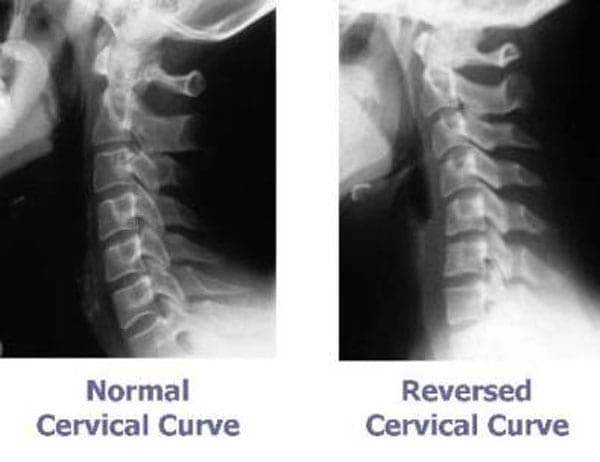
Normal and Reversed Curve Cervical Spine Images
Why the Curve in Your Neck Matters
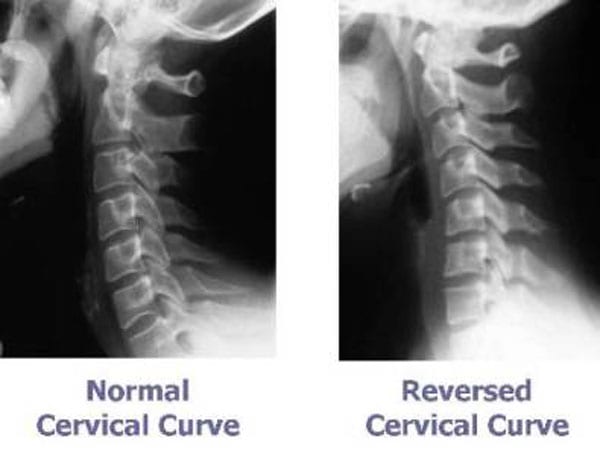
When I look at a side-on neck X-ray with a patient, the first thing we talk about is the curve. A healthy cervical spine has a gentle forward curve, like a backwards C. That shape isn't an accident. It helps your neck carry the weight of your head, absorb everyday load, and move comfortably.
Over time, things like prolonged screen time, old injuries, and posture habits can reduce that curve or even reverse it. When the curve changes, the muscles, joints, and discs in your neck often have to work differently, and that's where many people notice stiffness, headaches, or aching across the shoulders.
Posture, Movement, and Comfortable Aging
Posture tends to shift slowly, so most people don't notice it day to day. A rounding of the upper back or a flattening of the neck curve can show up gradually over years. Research has looked at how posture changes relate to mobility and quality of life as we get older, and it's a good reminder that the way we hold ourselves is worth paying attention to.
The encouraging part is that posture isn't fixed. Many patients find that targeted movement, better daily habits, and chiropractic care can support healthier neck mechanics and help them feel more comfortable and mobile.
You Can Have a Problem Before You Feel It
One thing I tell patients often: pain is usually a late signal, not an early one. You can have changes in how your neck moves and loads before any discomfort shows up. That's why I don't rely on how you feel alone. A proper assessment gives us a clearer picture of what's going on.
For the neck, that often includes a posture and movement exam, and in some cases imaging such as an X-ray, so we can see the curve and the alignment rather than guess at them. From there we can talk through what's reasonable for your situation.
What Chiropractic Care Can Help With
As a chiropractor, my focus is the musculoskeletal side of things: the joints, muscles, posture, and movement of your spine. For neck-related concerns, that can mean addressing stiffness, restricted movement, posture changes, and the aches that come with them.
Care is tailored to the person in front of me. Some people are managing a specific complaint, and others want to stay on top of how their neck moves over the long run. Either way, the goal is the same: help you move and feel better.
Book an Appointment With Dr. Brad
If you're curious about the curve in your neck, or you've noticed posture changes in yourself or your kids, a good next step is a proper look. I'm happy to assess it and walk you through what I find.
Book an appointment with Dr. Brad at the 2501 Guelph Line clinic
Have a Question About Your Care?
Our team is happy to help. Reach out and we’ll get back to you.
Get in touch

