Any pediatric chiropractor will tell you that every child should be checked immediately after birth. This is arguably one of the most traumatic events of our lives and when we are the most sensitive and delicate physically, mentally, emotionally and spiritually. Our entire posture system, neurology and musculoskeletal system are beginning to interact and respond to the real world. What better time is there to start taking care of what will ultimately have a huge impact on our lifespan and health-span.
Aside from c-sections (which have their own and different set of consequences), the presentation of the baby can lead to difficult circumstances during the birth process. Head first and face down is ideal but here is a list of other presentations that can lead to birth trauma's:
- head first face up
- butt first breech
- feet first breech
- sideways (transverse)
- shoulder first
- forceps delivery
- induced labor
- vacuum assist
- in utero traumas
- generational traumas (what is mom passing on to her kids?)
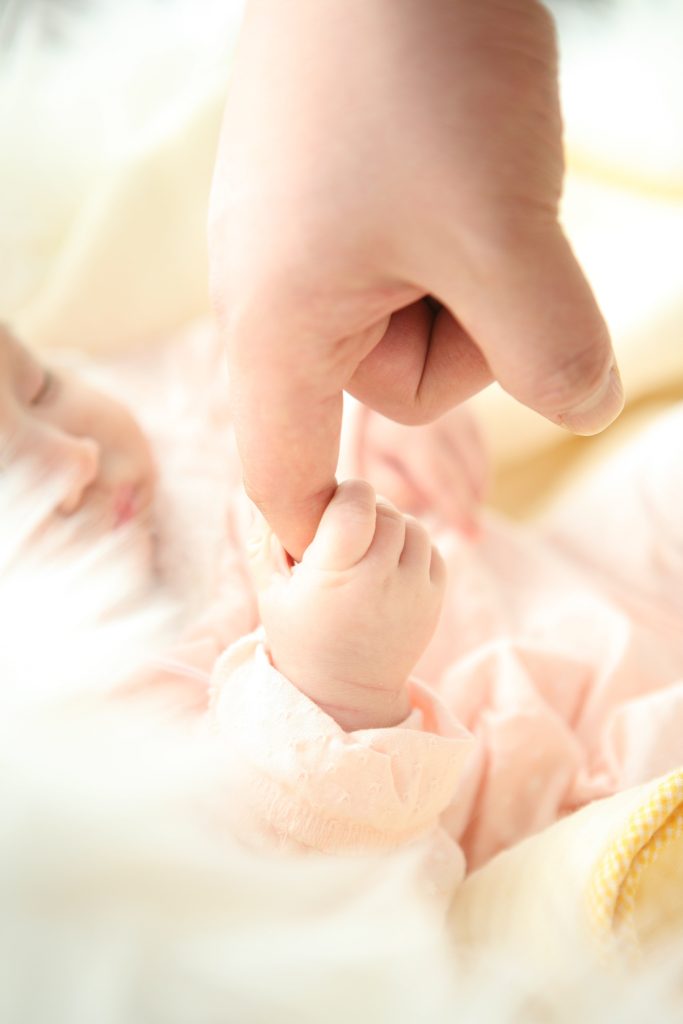
Normal Uncomplicated Birth
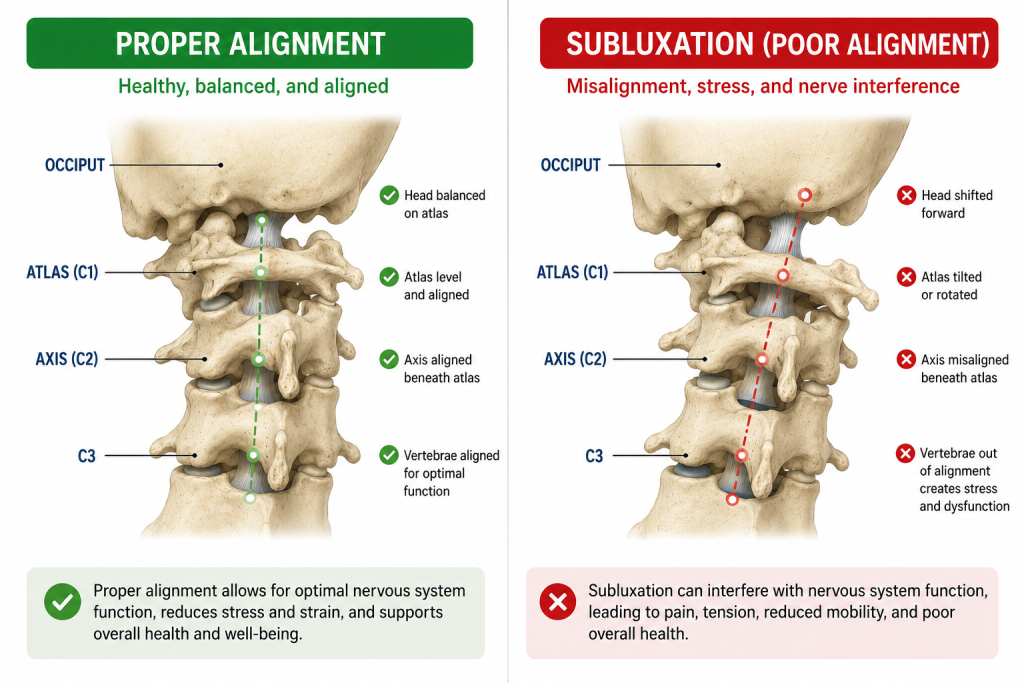
Under normal circumstances, the head and neck are used as a lever to pull the baby out of the birth canal with the assist of the mother's contractions. Remember what a subluxation is; a misaligned vertebra. The most common vertebrae to subluxate during birth are C1, C2 and C3 which are right at the top of the neck underneath the cranium (skull). All the surrounding supporting tissues here (muscles, ligaments, tendons) are soft and supple yet there can be upwards to 60 lbs of force used to deliver a baby. Even more if the mother is induced and/or forceps or vacuum assist are used. Not even an adult would enjoy if someone pulled and twisted their head and neck with 60 pounds of force.
Houston Control
There is a part of the spinal cord called the brainstem. The brainstem connects your cerebellum (brain) to your spinal cord. Your brainstem resides inside C1, C2 and C3; those 3 vertebrae right at the top of the neck. The brainstem is the Houston Control of your central nerve system. It is responsible for vital, involuntary functions essential for survival; heart rate, blood pressure, respiration, consciousness, sleep-wake cycles and your immune response. You can now see how a subluxation in the upper cervical area (C1, 2, 3) can have some pretty serious health consequences because there is the potential here to impair the function of the brainstem. You do not want your baby to start their life with any compromise to brainstem function. And this makes a pretty strong case for every single person to have their upper cervical alignment checked on a regular basis throughout their lifetime. It's all about keeping that part of your nerve system healthy which in turn keeps you healthy.
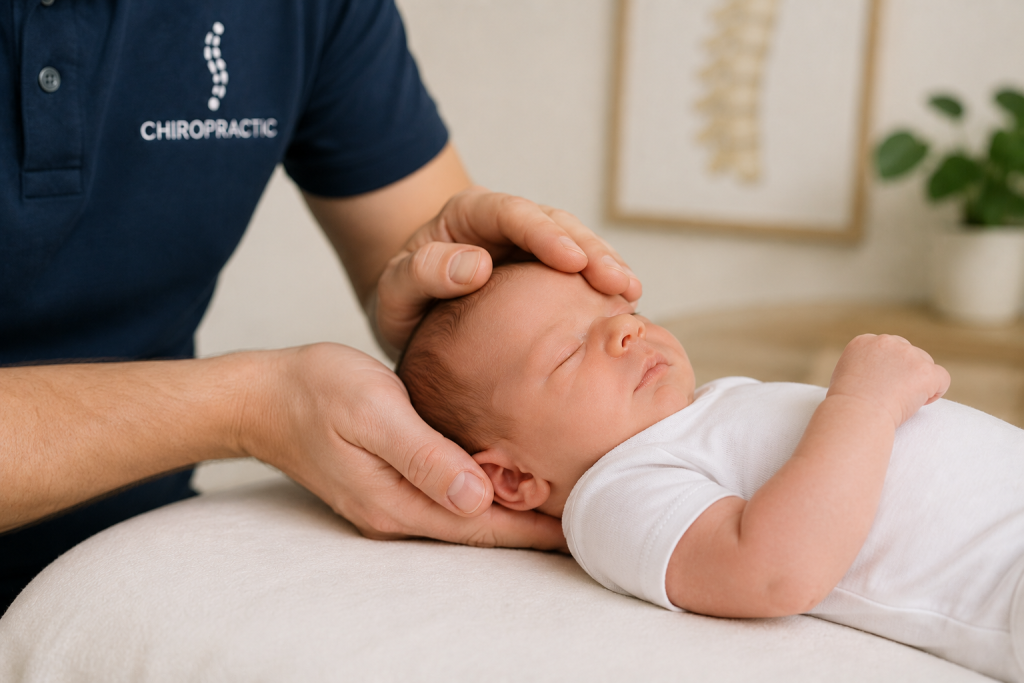
How do we Adjust Newborns and Babies?
It goes without saying that we do this very carefully. We first of all do some very gentle testing and examining to identify where there may have been birth trauma (skull, shoulders, collar bone, pelvis, hips etc.) and of course palpate the spinal vertebrae to locate any spinal misalignments (subluxations). This is with the softness of our fingertips and many years of experience dealing with pediatric patients. Both the chiropractors at Life Chiropractic Centre are certified in pediatric adjusting. When we identify where the subluxations are, it is nothing more than finger tip pressure ( not much more than 2 pounds of pressure) to gently coax the vertebrae back into a healthier anatomical position. It would be similar to the amount of pressure you would need to detect the pulse in your wrist. And then we would post-check to ensure that the correction has been made.
How many adjustments does it take? This is on a case by case basis and depends upon many factors which is why we do a detailed health history (for both mother and baby) and complete examination before any treatment is rendered.
The 6 Landmarks
Aside from having your infant checked soon after birth, here are the 6 developmental landmarks when every infant should have their spine and skeletal system checked:
- When they first start to roll over
- When they first start to hold their head up (tummy time)
- When they first start to sit up
- When they first start to crawl
- When they first start to stand
- When they first start to walk
And if you observe your baby is struggling with any of these, for certain a spinal check-up is in order.
Other symptoms that may also indicate spinal misalignments (subluxations):
- colic
- constipation
- baby will not latch
- baby will only latch on one side
- head (cranium) does not appear symmetrical after birth
- bruising around the head, face, neck and shoulders (collar bone)
- spitting up after feeding
- internal clock is reversed (awake at night, sleeping during the day)
- tongue tie

What a Check-Up Looks Like for a Baby
Before I check your baby, I ask what has happened since the last visit: any tumbles off a bed or couch, teething, or a new milestone like sitting or crawling. Your baby lies on their back in a soft pregnancy pillow, the same one I use for expecting moms, which makes a comfortable cradle.
I look at whether the head tilts to one side. I let your baby grab my fingers and gently lift them, which shows me their grip and how the neck muscles are coming along. Then I check the hips and legs for tension, compare leg lengths, and feel along the spine with my fingertips to see how each area moves. If an area needs care, I may use a small hand-held instrument called an Activator, which gives a light, quick impulse. Afterward I recheck head position and leg lengths.
Why Check a Child Who Isn't in Pain
Parents often ask me why I'd want to check a child who has no aches at all. Kids collect plenty of bumps as they learn to sit, crawl, stand and walk, and later from falls, rough play and sports, all while their spines are still growing. A check can pick up things like a head that drifts forward over screens, one shoulder sitting higher than the other, or a stiff lower back, while those posture habits are still easy to work on. I'll show you what I see and give you simple things to try at home. If the rest of the family wants a check too, you can book everyone together.
Our mission here at Life Chiropractic Centre is to help the families in our community build vibrant, healthy and drug-free lives. If this resonates with you, we'd love to have you join our chiropractic family. We have grandparents, parents and children all enjoying the benefits of the tender, loving chiropractic care that we are honoured to provide.
Remember that consultations and posture checks are always free of charge as we offer these as a way of giving back to our community.
If you have any questions or would like additional information, you can always give us a call at 905-335-5433 or email us at at info@lifechiropracticcentre.ca.
Have a Question About Your Care?
Our team is happy to help. Reach out and we’ll get back to you.
Get in touch