

This is a summary of a recent study that I have translated into lay terms for you to understand because it is hugely important for your health and the health of all of your children.
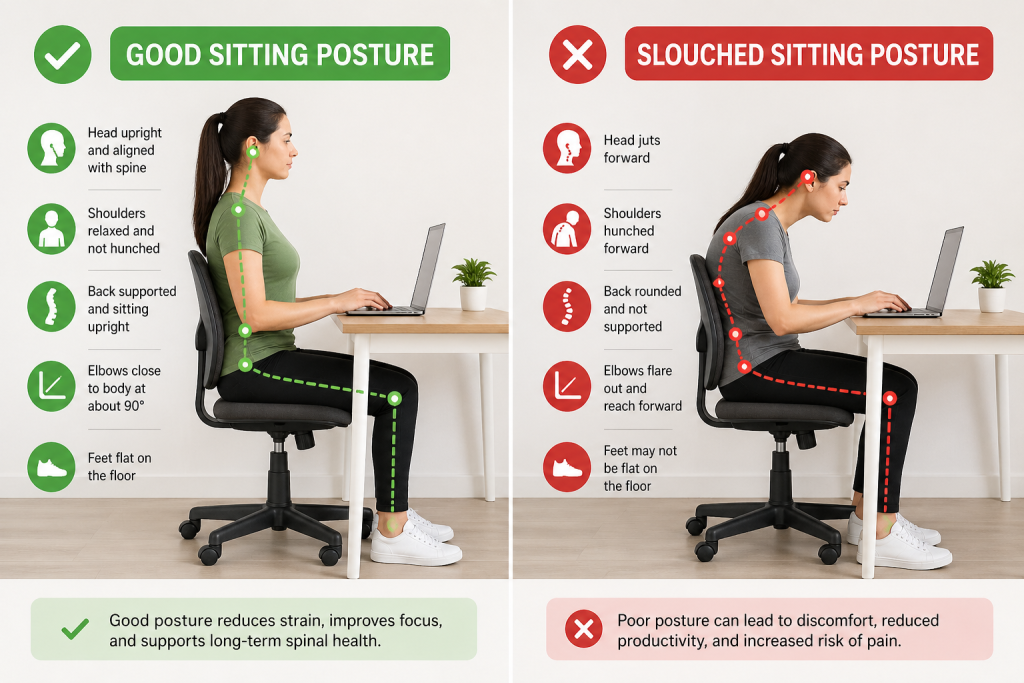
This study examined Forward Head Posture or what I like to call 'tech neck' which is defined by the forward posturing of the head in relation to the centre point of the deltoid muscle (shoulder). The opening of your ear should be centred directly over this point.
Growing Epidemic
While previously dismissed as a minor cosmetic nuisance (hump-back), it is a growing epidemic among young adults due to prolonged smartphone and computer use. In fact, the American Posture Institute reports that over 30% of school-aged children are now exhibiting signs and symptoms of tech neck.
Neurological Issues Previously Undocumented
The mechanical stress on the cervical spine (neck) and upper back (thoracic spine) has been well documented (headaches, neck pain and stiffness, TMJ pain, migraines, shortness of breath), but the neurological costs have been largely undocumented until now.
The Brain Struggles to Send Messages
The brain sends signals to all the postural muscles in the body. And when the posture is proper-head and neck aligned vertically over the centre point of the shoulder-the brain sends clear messages to the postural muscles with minimal effort. However, when the system is strained due to Forward Head Posture (tech neck), the brain must shout to be heard. The central nerve system (the fight or flight-sympathetic branch) in people with tech neck is in overdrive!
What are the Consequences?
When your brain is over-recruiting its resources to manage postural distortions such as tech neck (and others such as humping of the upper back and scoliosis), those resources are not available for other important tasks which can lead to:
- brain fog (cognitive decline)
- physical exhaustion
- clumsiness and poor coordination participating in complex sports
- chronic pain syndromes
These are the major findings of this study.
Early Intervention is Critical
Most of us and especially our children will be interacting with technology for our entire lifetime. And kids are starting at an early age nowadays well before the postural system has matured. Waiting for these symptoms to develop is waiting too long. By the time symptoms manifest, the brain will likely have been compensating for years.
Why Sitting Still Matters
Prolonged sitting is one of the main drivers of tech neck, with the head forward, the shoulders rounded and the upper back humped. There's a second issue. When you sit still for hours, your brain gets little information from your body moving, while screens feed it a steady stream of sights and sounds. That mismatch between what your brain gets and what it needs may be part of why long screen sessions leave kids, teens and adults feeling foggy and tired.
Screen Habits That May Help Your Focus
These habits can help you and your kids use technology in a healthier way:
- Do 1 task at a time. Multitasking splits your attention and tends to slow you down.
- Turn off notifications while you work or study, so you can stay with the task in front of you.
- Sit on a posture disc or exercise ball. You'll make small movements front to back and side to side, and your brain thrives on movement. It also works your core muscles, which help steady your lower back.
- Keep the screen at eye level, with your eyes up and chin up, and stand up for regular posture breaks.
What Should You Do?
The first thing to do would be to have your posture system evaluated by a chiropractor who has a special interest in posture. This will identify any and all posture distortions as well as any areas where there may be degenerative changes in the spine. These are a consequence of postural distortions left undetected and uncorrected.
A corrective program of chiropractic care (adjustment, spinal traction, corrective posture exercises, learning how to interact with technology in a healthy way) focuses on restoring the normal curve in the neck not only to relieve muscular tension and pain, but also to restore neurological efficiency of the central nerve system.
We'd be honoured to help you and your family.
Have a Question About Your Care?
Our team is happy to help. Reach out and we’ll get back to you.
Get in touch